
When someone may be having a heart attack or stroke, every minute matters. Recognizing the warning signs and calling 911 quickly can help get lifesaving care started sooner.
If you are unsure whether something is an emergency, don’t wait for symptoms to get worse. Call 911.
What Are the Warning Signs of a Stroke?
A stroke happens when blood flow to part of the brain is interrupted. Symptoms usually appear suddenly.
An easy way to remember the warning signs is B.E. F.A.S.T.
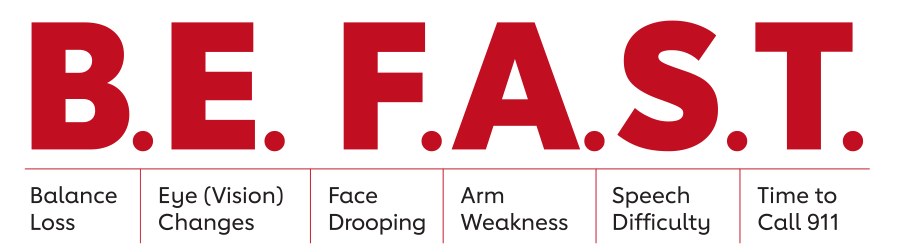
B – Balance: Sudden dizziness, loss of balance or difficulty walking.
E – Eyes: Sudden blurred or double vision, or loss of vision in one or both eyes.
F – Face: One side of the face may droop or feel numb. Ask the person to smile. Does the smile look uneven?
A – Arms: One arm may be weak or numb. Ask the person to raise both arms. Does one drift downward?
S – Speech: Speech may be slurred, confused or difficult to understand. Ask the person to repeat a simple sentence.
T – Time to call 911: If you notice any of these symptoms, call 911 immediately.
Other stroke symptoms can include sudden numbness or weakness, particularly on one side of the body; sudden confusion; or a sudden, severe headache with no known cause.
Even if the symptoms disappear, call 911. Temporary symptoms can still signal a serious medical emergency.
What Are the Warning Signs of a Heart Attack?
Heart attack symptoms can vary from person to person and are not always the dramatic chest pain people expect.
Common warning signs include:
-
Chest pressure, squeezing, fullness, discomfort or pain that lasts more than a few minutes or goes away and returns
-
Pain or discomfort in one or both arms, the back, neck, jaw or stomach
-
Shortness of breath, with or without chest discomfort
-
Cold sweat
-
Nausea
-
Lightheadedness or dizziness
-
Unusual weakness or fatigue
-
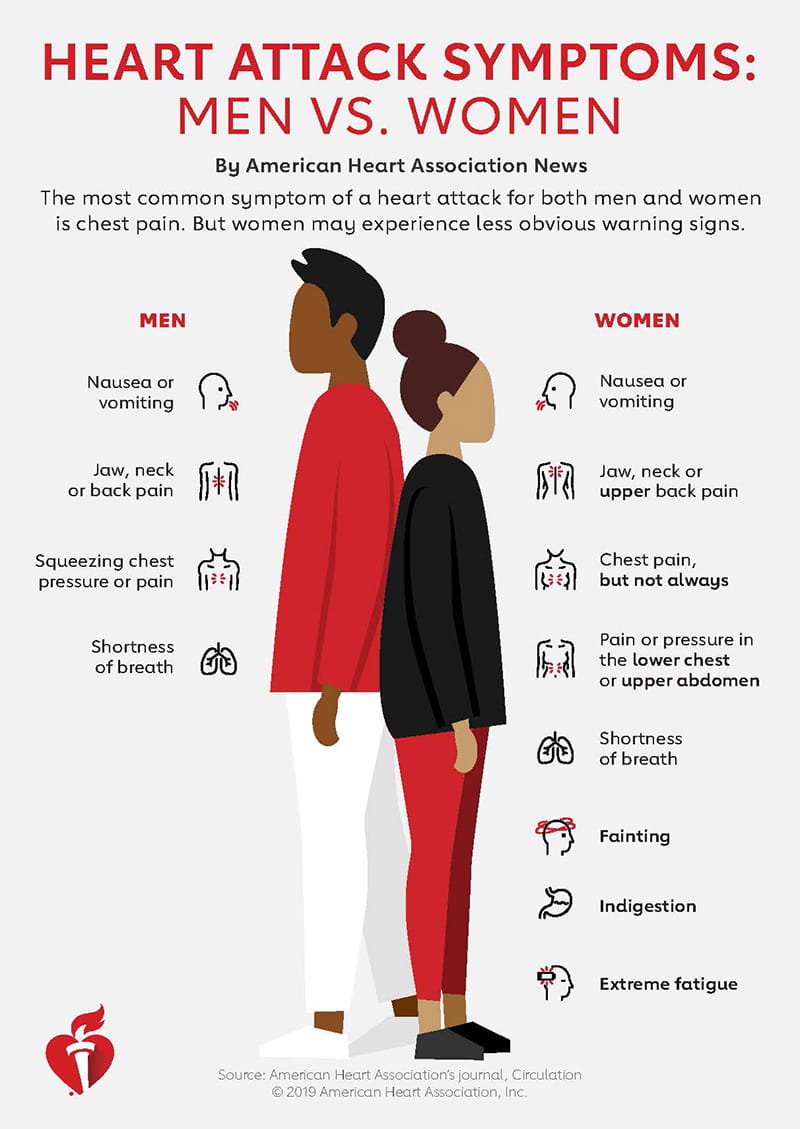
Some people experience less typical symptoms, including shortness of breath, nausea, back or jaw pain, or unusual fatigue without significant chest pain.
Men and Women present differently:
If you think you or someone else may be having a heart attack, call 911 immediately.
Why Call 911 Instead of Driving to the Hospital?
Calling 911 does more than provide transportation.
When you call 911 in Lyme, trained emergency responders are dispatched to you. EMS can begin assessing and caring for the patient before reaching the hospital and communicate important information to the receiving medical team.
Driving someone yourself can also delay care if their condition suddenly worsens along the way.
If you suspect a heart attack or stroke, call 911.
What Should I Do While Waiting for EMS?
After calling 911:
Follow the dispatcher’s instructions.
Keep the person calm and avoid unnecessary movement.
Unlock the door so responders can enter quickly.
Turn on exterior lights if visibility is poor.
Secure pets in another room.
Have the person’s medication list and important medical information available, if possible.
If the person’s condition changes, tell the 911 dispatcher.
Never delay calling 911 while you gather medications, medical records or other information.
When You’re Not Sure, Make the Call
People sometimes hesitate to call 911 because they aren’t certain what they’re seeing is truly an emergency.
With symptoms of a possible heart attack or stroke, don’t wait to be certain.
It’s better to call and have the situation evaluated than lose valuable time during a medical emergency.
At Lyme EMS, our responders train and prepare so we’re ready when our community needs us most. Knowing the warning signs is one way you can be prepared, too.
Know the signs. Call 911. Don’t delay.
Be Prepared With Lyme EMS
Lyme EMS offers free community education programs covering lifesaving skills including CPR, AED use, first aid and emergency preparedness.
Visit our Classes section to see upcoming classes and sign up for our emails for helpful resources for keeping yourself, your family and our community safer.