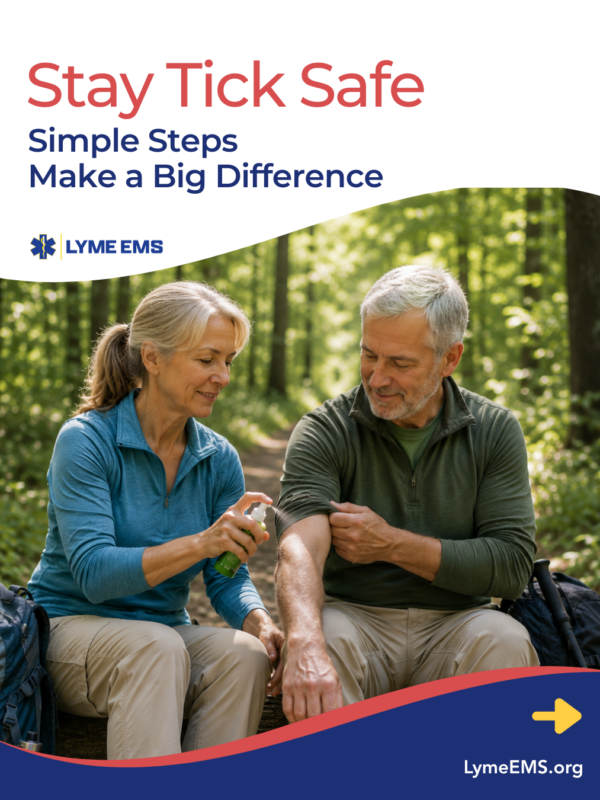
The good news: a few simple habits can greatly reduce your risk.
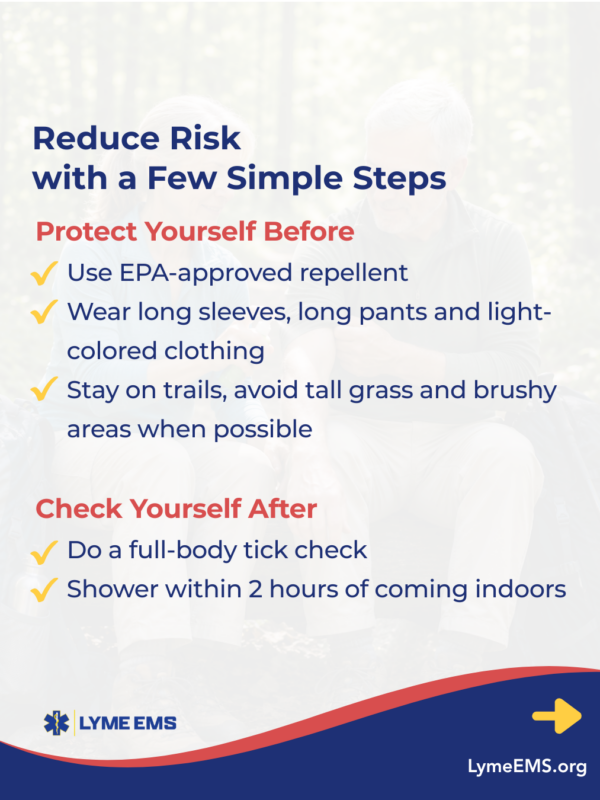
Before You Head Outdoors
- Use EPA-approved insect repellent
- Wear long sleeves, long pants, and light-colored clothing
- Stay on trails when possible and avoiding tall grass or brushy areas
- After You Come Indoors
- One of the most important things you can do is perform a full-body tick check as soon as possible after spending time outside.
Be sure to check:
- Behind knees
- Around the waist
- Under arms
- Around ears and hairline
- Around ankles
- Between legs
Showering within two hours of coming indoors may also help wash off ticks before they attach.
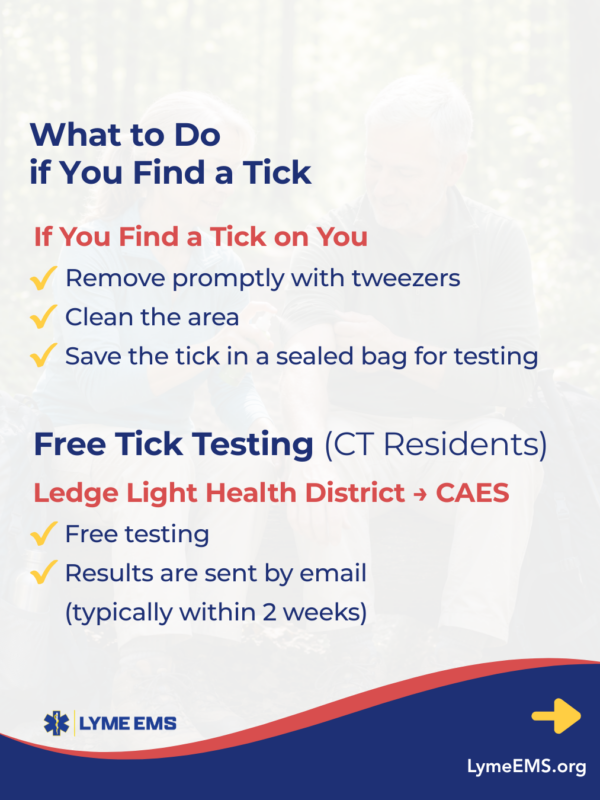
If You Find a Tick
- Remove it promptly with fine-tipped tweezers
- Clean the area
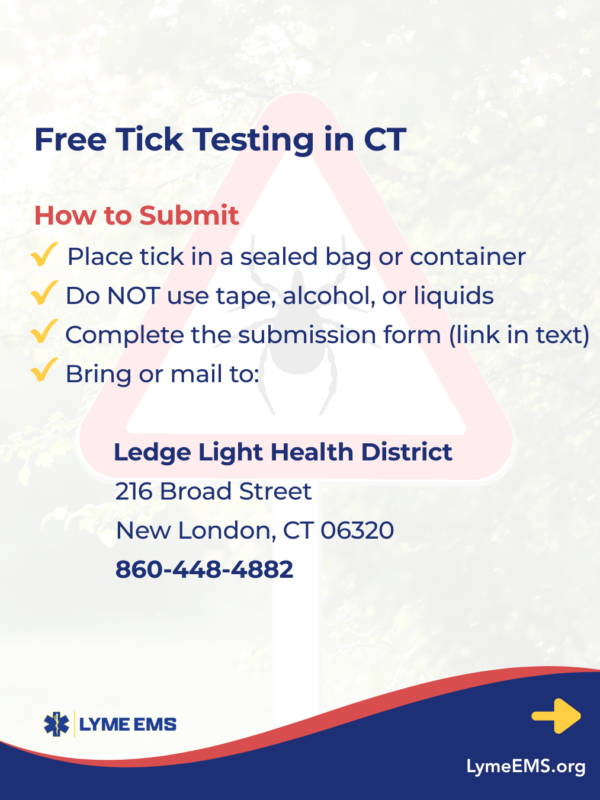
- Save the tick in a sealed bag if you would like it tested
Connecticut residents can submit ticks for free testing through Ledge Light Health District and the Connecticut Agricultural Experiment Station (CAES).
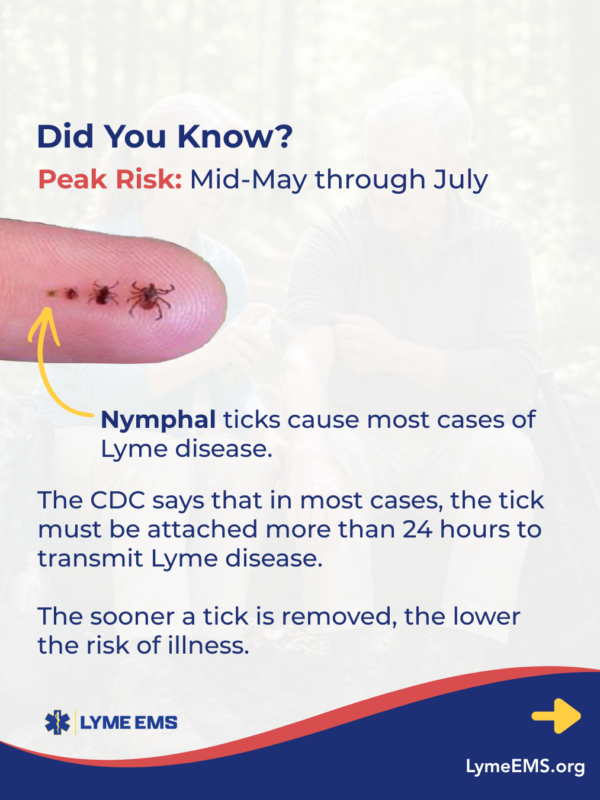
According to the CDC, in most cases a tick must be attached for more than 24 hours to transmit Lyme disease, which is why early detection and daily checks are so important.
At Lyme EMS, we believe prevention and education are an important part of caring for our community.
Stay safe, enjoy the outdoors, and remember: simple steps can make a big difference.
Important Links:
LLHD – Ledge Light Health District Tick Information
CDC Tick Prevention and More
CAES (CT Agricultural Experiment Station)